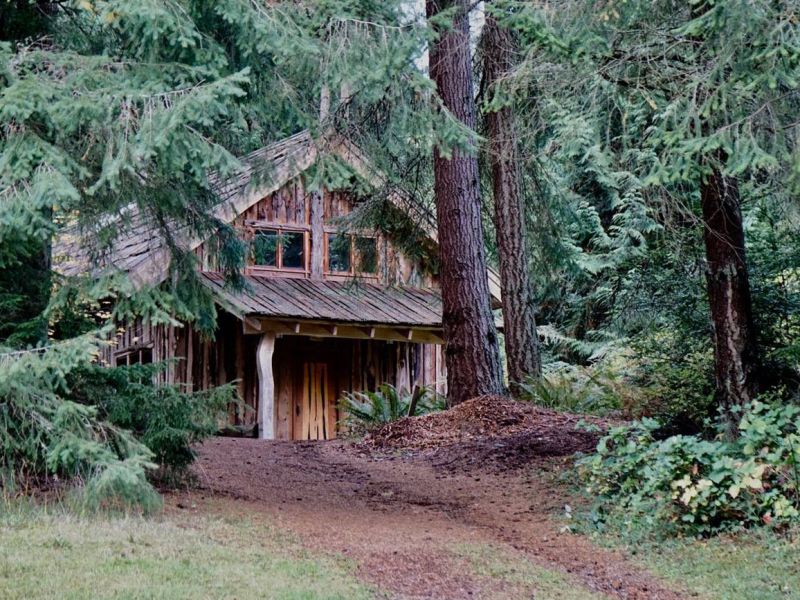
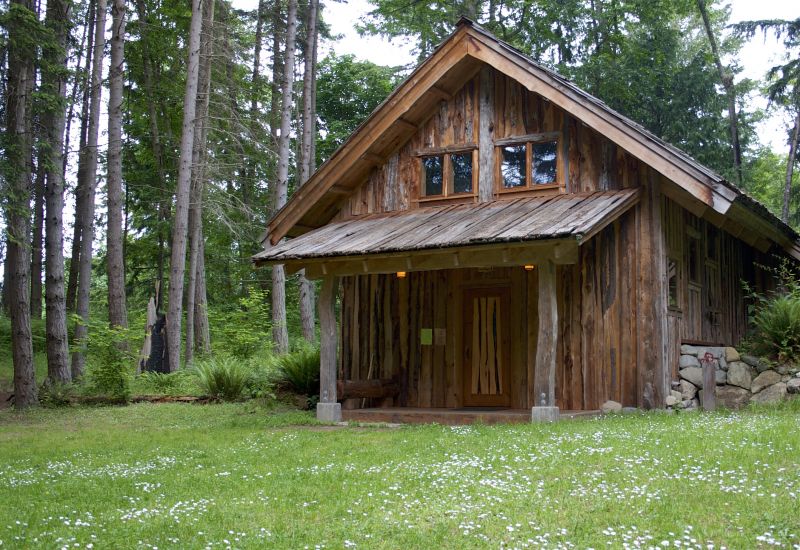
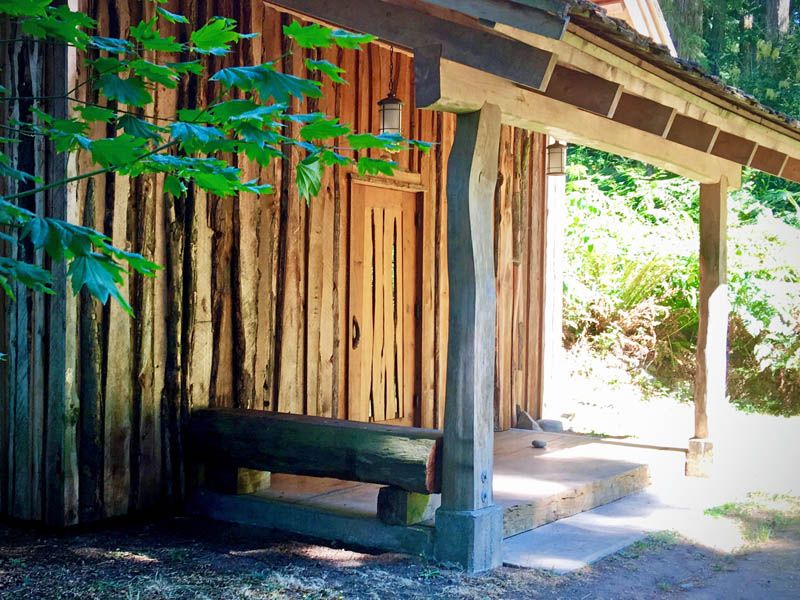
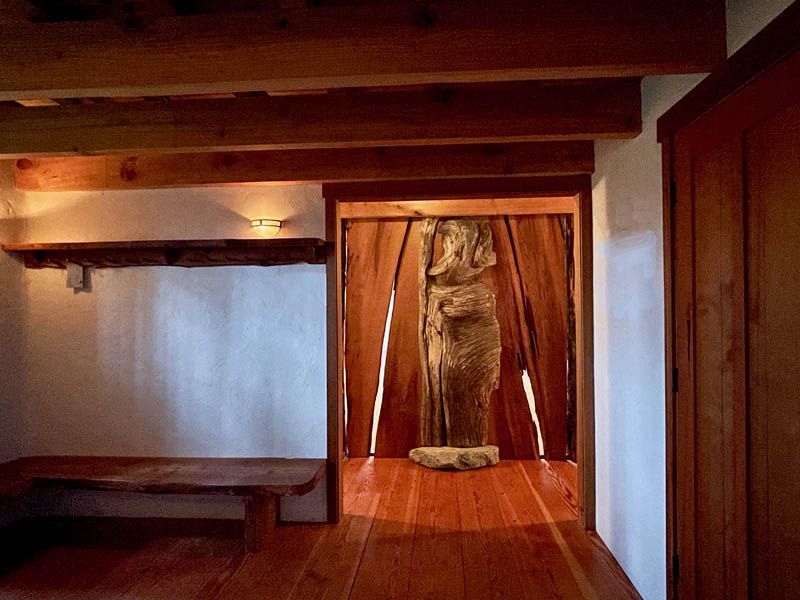
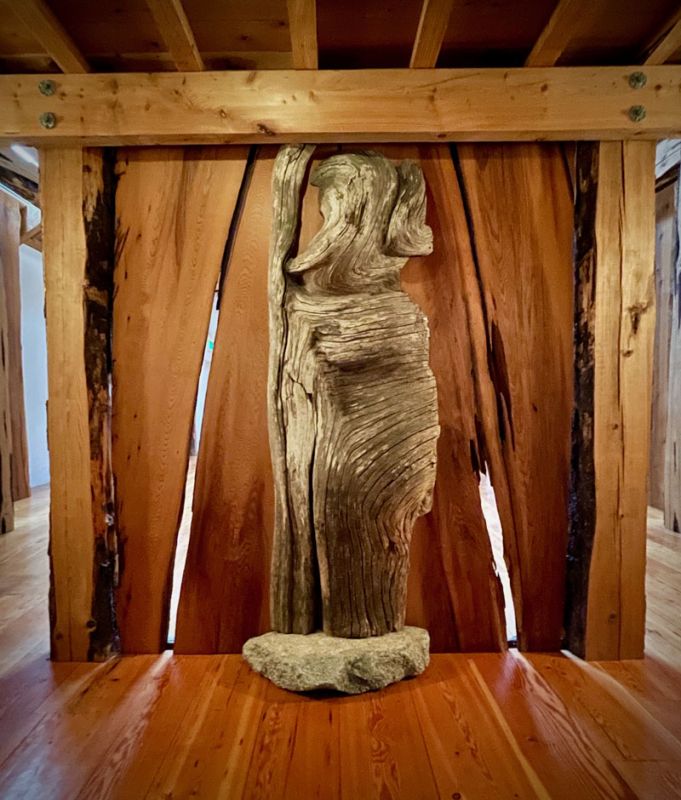
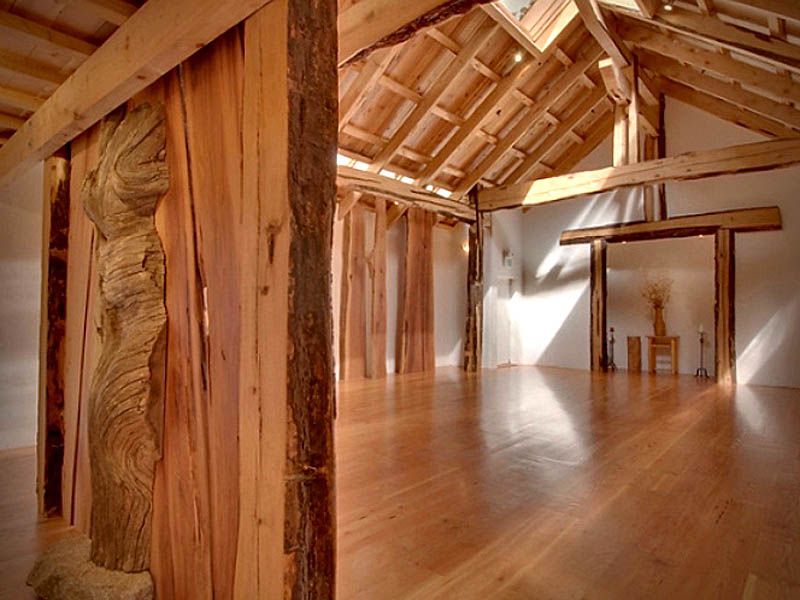
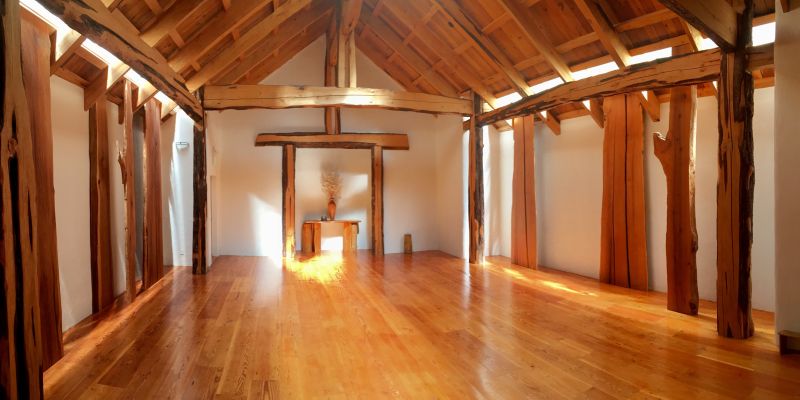
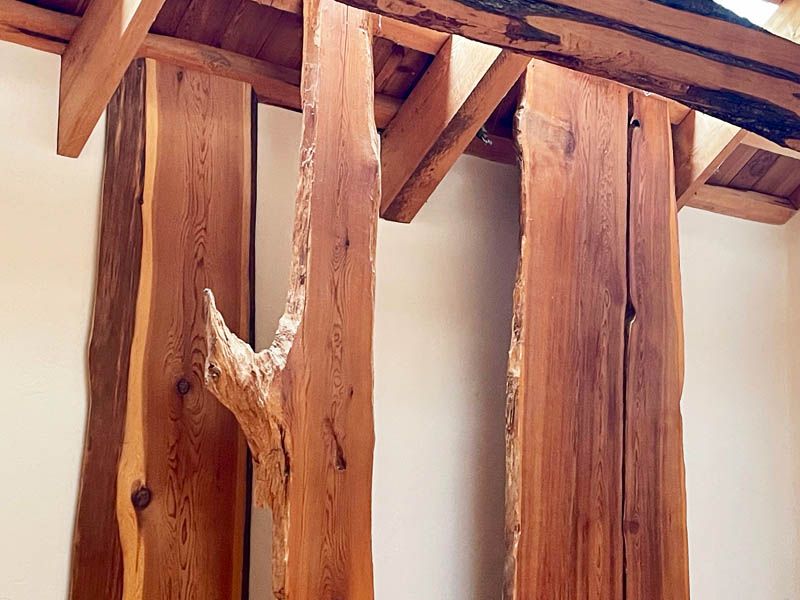
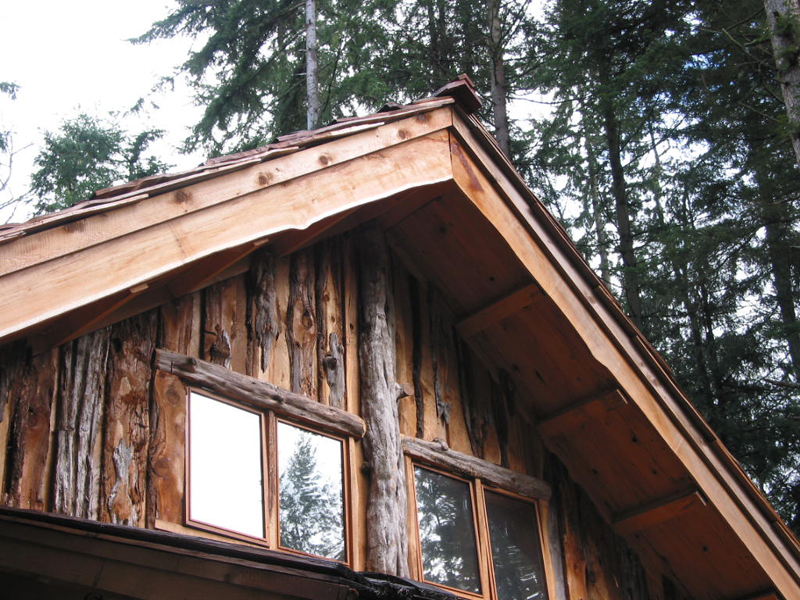
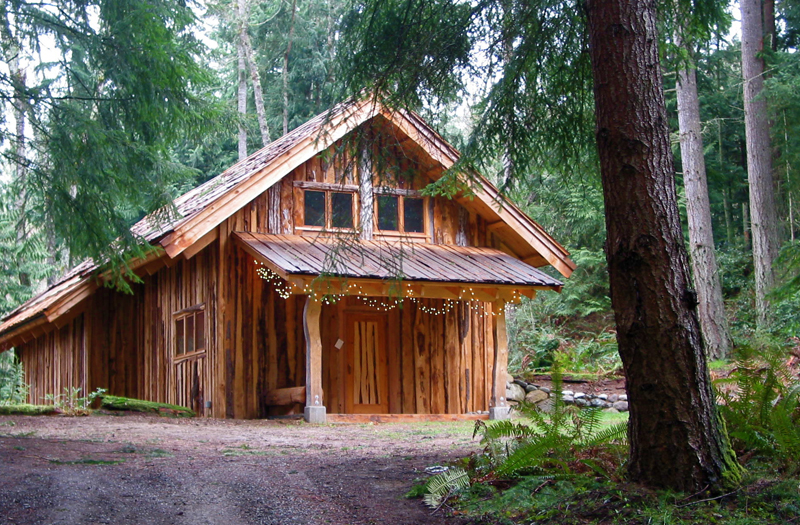
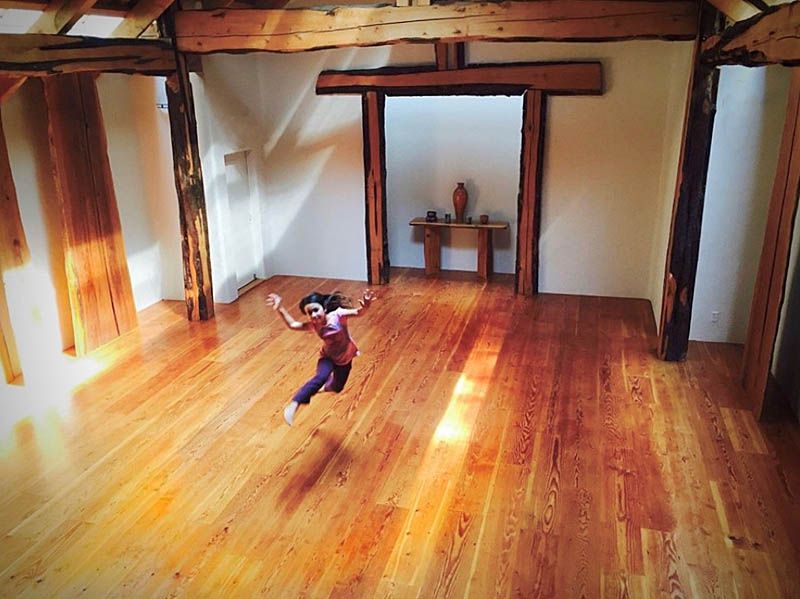
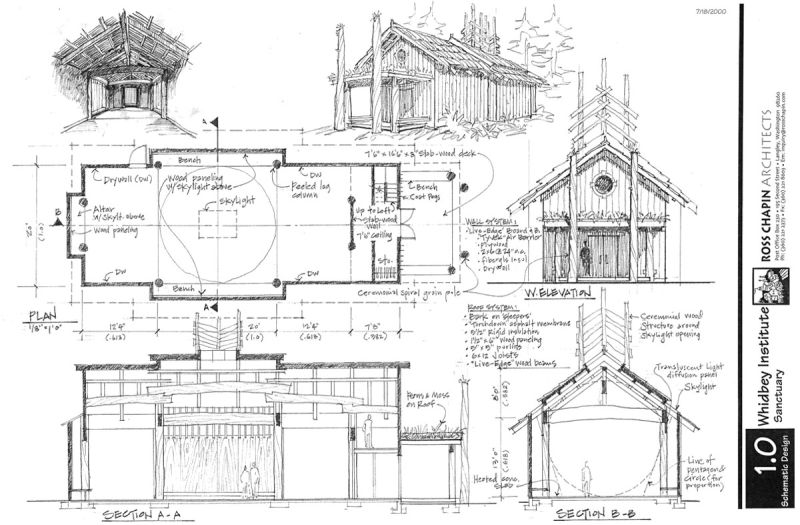
Tucked in the forest at the Whidbey Institute, this non-denominational sanctuary offers a quiet refuge for meditation, sacred music, and prayer. Designed collaboratively by Ross Chapin and Kim Hoelting, and handcrafted by Kim and a small circle of fine craftspeople, every element of the building speaks of care and reverence. The wood was locally sourced—sustainably harvested or reclaimed—and each piece has a known story tracing back to its origin in the forests of the Pacific Northwest.
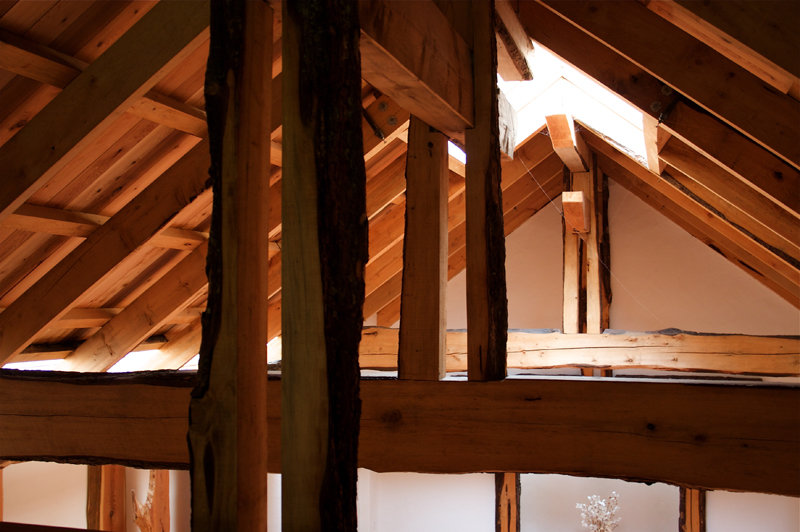
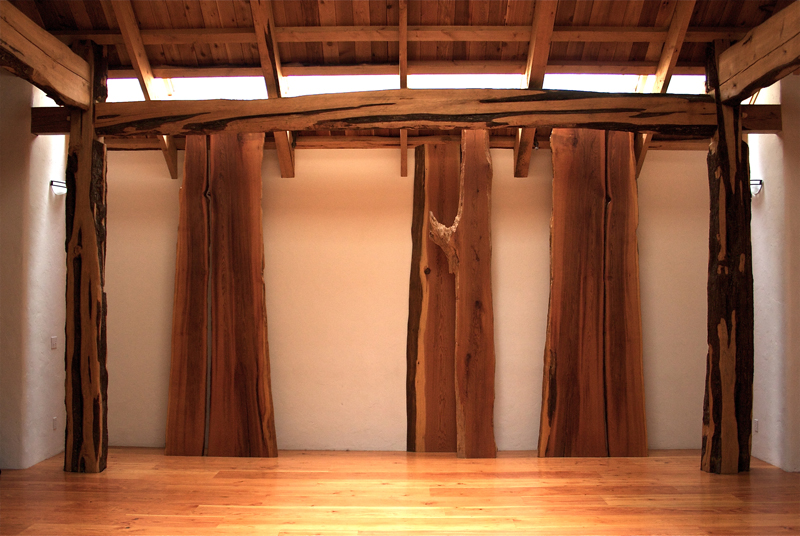
Though nestled among trees, the sanctuary has no windows. Instead, the experience begins with a sequence of spaces that draw one inward—away from the external world and toward a place of stillness. Upon entering the sanctuary’s main room, guest are quietly welcomed by a “council of elders”—the surrounding trees at the edges of the room—inviting them into a space of introspection and presence. Above, a central skylight floods the room with changing light throughout the day.
The building’s form is shaped with golden proportions, both in plan and vertical section. This subtle harmony may be part of what people feel in the space—an ease, a quiet sense of rightness—as well as what gives the room its extraordinary acoustics when music is played.
One guest poetically described the sanctuary as a place “where the echoes of the forest meet the stillness of the heart, and the spaciousness of the spirit.” Irish poet and singer Mícheál Ó Súilleabháin, moved by his time here, offered a poem in response.
“My greatest hope is that all of us can find that little, holy place in all that we do — that we can dare to make it a real expression of who we are in the moment, in what we see and what we feel. It doesn’t matter if you’re a janitor or a neurosurgeon or a carpenter — with courage and fortitude, what you love should be able to bubble up out of you. That’s what the Sanctuary means to me.” —Kim Hoelting